STARKE -- A federal appeals court in Atlanta on Friday turned down the latest appeal of serial killer Danny Harold Rolling, who is scheduled to die Wednesday for the slayings of five college students in Gainesville in 1990.
The 11th U.S. Circuit Court of Appeals rejected Rolling's motion for a stay of execution and denied him permission to file new appeals in the U.S. District Court in Tallahassee.
Baya Harrison, the lawyer representing Rolling, filed documents using the same issues raised by Arthur Rutherford, who was executed Wednesday at Florida State Prison for the 1985 murder of a Milton woman.
Those included challenges to the chemicals used in the execution process, the America Bar Association's report on Florida's capital punishment system and claims that application of Florida's death penalty is inconsistent and freakishly imposed.
Rolling pleaded guilty in 1994 to the string of murders, and a judge followed a jury's unanimous recommendation that he be sentenced to death for each of the five killings.
Rolling terrorized Gainesville in late August and early September 1990, killing four women and a man in their off-campus apartments. One victim was decapitated and others were mutilated, posed and sexually assaulted.
Killed were Christa Hoyt, 18, of Gainesville; Sonja Larson, 18, of Deerfield Beach; Christa Powell, 17, of Jacksonville; Tracy Paules, 23, and Manny Taboada, 23, both of Miami.
Saturday, October 21, 2006


A death isn't worthy of our celebration
It looks like Danny Rolling will be executed for his heinous crimes. I was in Gainesville during the time when this horrible act occurred. It seems absurd to me that the legal process took so long to reach its conclusion!
Nonetheless, I hope for the families involved, that they find some sort of solace for their terrible, irreplaceable losses. I do want to say though, that celebrating someone's death, no mater how deserved, is an unfortunate way to feel. I can never celebrate death. After all, isn't that what Danny Rolling was doing when he committed those unspeakable crimes?
Jeff L. Laskin, Gainesville
Nonetheless, I hope for the families involved, that they find some sort of solace for their terrible, irreplaceable losses. I do want to say though, that celebrating someone's death, no mater how deserved, is an unfortunate way to feel. I can never celebrate death. After all, isn't that what Danny Rolling was doing when he committed those unspeakable crimes?
Jeff L. Laskin, Gainesville
Supreme Court is last chance for Rolling
By LISE FISHER
Sun Staff writer
A federal appellate court in Atlanta rejected serial killer Danny Rolling's appeal Friday to stay his execution, set for next week.
Barring any new, last-minute claims, the decision leaves Rolling's attorneys looking to the U.S. Supreme Court to halt his death sentence.
Rolling has been scheduled to die by lethal injection at 6 p.m. Wednesday at Florida State Prison in Bradford County.
Carolyn Snurkowski, assistant deputy attorney general for the state, said Friday she didn't know what options Rolling's attorneys would have.
"His last remaining option is to request that the United States Supreme Court take the case. Barring something that would be out of the ordinary, I would expect the same result that was obtained in Rutherford," said State Attorney Bill Cervone in Gainesville.
Rolling's appeal relied on the same failed claims made by Death Row inmate Arthur Rutherford. The handyman, convicted for the 1985 murder of a Milton woman, was executed earlier this week.
The appeal had challenged chemicals used in lethal injections and cited an American Bar Association report on the death penalty process in Florida, saying it was newly discovered evidence showing lethal injection is cruel and unusual punishment.
A former inmate who served prison time for robbery, Rolling was a suspect in a 1989 triple slaying in Louisiana.
He was being held in Marion County for a robbery when he became a suspect in the slayings of five Gainesville college students.
Killed were Christa Hoyt, 18, of Archer; Sonja Larson, 18, of Deerfield Beach; Tracy Paules, 23, of Miami; Christina Powell, 17, of Jacksonville; and Manuel Taboada, 23, of Miami.
In 1994, Rolling pleaded guilty to fatally stabbing the five inside their off-campus apartments. Three of the female students had been sexually assaulted.
Some of the bodies had been mutilated.
Lise Fisher can be reached at 374-5092 or fisherl@gvillesun.com.
Sun Staff writer
A federal appellate court in Atlanta rejected serial killer Danny Rolling's appeal Friday to stay his execution, set for next week.
Barring any new, last-minute claims, the decision leaves Rolling's attorneys looking to the U.S. Supreme Court to halt his death sentence.
Rolling has been scheduled to die by lethal injection at 6 p.m. Wednesday at Florida State Prison in Bradford County.
Carolyn Snurkowski, assistant deputy attorney general for the state, said Friday she didn't know what options Rolling's attorneys would have.
"His last remaining option is to request that the United States Supreme Court take the case. Barring something that would be out of the ordinary, I would expect the same result that was obtained in Rutherford," said State Attorney Bill Cervone in Gainesville.
Rolling's appeal relied on the same failed claims made by Death Row inmate Arthur Rutherford. The handyman, convicted for the 1985 murder of a Milton woman, was executed earlier this week.
The appeal had challenged chemicals used in lethal injections and cited an American Bar Association report on the death penalty process in Florida, saying it was newly discovered evidence showing lethal injection is cruel and unusual punishment.
A former inmate who served prison time for robbery, Rolling was a suspect in a 1989 triple slaying in Louisiana.
He was being held in Marion County for a robbery when he became a suspect in the slayings of five Gainesville college students.
Killed were Christa Hoyt, 18, of Archer; Sonja Larson, 18, of Deerfield Beach; Tracy Paules, 23, of Miami; Christina Powell, 17, of Jacksonville; and Manuel Taboada, 23, of Miami.
In 1994, Rolling pleaded guilty to fatally stabbing the five inside their off-campus apartments. Three of the female students had been sexually assaulted.
Some of the bodies had been mutilated.
Lise Fisher can be reached at 374-5092 or fisherl@gvillesun.com.
Friday, October 20, 2006
A killer is born; Psychologists say dad's cruelty led to the murders
By DREW HARWELL
Alligator Writer
"He was always trying to get rid of that - that person that his daddy made him believe he was," Claudia would say about Rolling in a 1992 videotaped testimony. "He had no self-esteem. No self-worth."
He was 11 when he began to play guitar, writing and singing his own songs. Krop said playing the guitar was something Rolling felt good at and satisfied with. He wanted to be a songwriter, attract women and become famous.
Also about this time he developed a drinking problem. What he couldn't get from friends, he stole.
"He used it for avoidance, escape," Krop said. "It was self-medication for the emotional pain he was experiencing."
When the family fell asleep one night, Rolling snuck out of the house and spent several nights in nearby woods. He spent his time fantasizing of violence and control.
Twenty-four years later, he would set up campsites in the woods near his victims, and his sadistic fantasies would become real.
His voyeurism, which began innocently as he watched other families, became sexually motivated. He was caught peeking in windows to watch girls shower and undress.
Rolling was 15 when he slit his wrists. He had seen his mother do the same only four years earlier after an argument with his father.
"I tried," he scrawled on the bathroom mirror in his mother's lipstick. "I just can't make it."
His father had told him that he would be dead or in jail by 15.
Rolling almost proved him right.
A failed father
After Rolling dropped out of high school in 1971, he enlisted in the Air Force, where he excelled in his course work but drank heavily, smoked marijuana and used LSD.
An Air Force psychiatrist diagnosed him with a personality disorder, and he was discharged for drug problems and stealing a bicycle.
He returned to Shreveport, a town and a life he had run away from just months ago, and began to attend King's Temple United Pentecostal Church. It was there he met O'Mather Halko, a petite dark-haired woman who Rolling believed was an answer to his prayers for companionship. The two married in 1974 and had a daughter, Kiley, a year later. Their marriage would only last three years, and he drank, couldn't keep a job and suffered from impotence.
Despite his faults, Rolling was enraged when Halko filed for a divorce in 1977. (Rolling would later say his ex-wife looked like 18-year-old Christa Hoyt, his sixth murder and the most violent: He would stab the freshman through the back, cut off her nipples and place her severed head on a bookshelf.)
Rolling became a drifter. He committed armed robberies in Alabama, Louisiana and Georgia. The police caught him as he left a Columbus, Ga., Winn-Dixie supermarket with $956 in stolen cash, and he was sentenced to six years in prison.
There, he lifted weights, boxed and took pride in his power. Inmates sometimes called him "psycho" after watching him fight. Krop said the guards and inmates cruelly abused him, adding to the wounds inflicted by his father.
After his release, he hitchhiked across the country, stopping with relatives who would take him in. In 1985, Rolling held up another supermarket and was arrested.
During a conversation with his defense attorney, Arthur Carlisle, Rolling presented a bizarre alternative to returning to prison: He would let them cut off his hands. Rolling was sentenced to four years in a Mississippi jail for armed robbery.
"Rolling had impulse-control problems: basically, not really thinking through the consequences of his actions," Krop said. "He was very emotionally immature."
Rolling returned in 1988 to Shreveport after being paroled. On Nov. 4, 1989, Rolling was fired from his job at a Poncho's restaurant. Rather than taking the rejection quietly - as he had done so many times before - he lashed out at his manager for leaving a couple dollars off his paycheck, and threatened violence.
That night, he killed for the first time.
A murderer
Julie Grissom, 24, was raped and murdered. Her father, Tom Grissom, and his 8-year-old grandson Sean, were also killed. Three generations of the Grissom family, stabbed to death.
Rolling positioned Julie's body with her legs spread and hair carefully fanned onto her bed. She was discovered with tape marks on her wrists and bite marks on her breasts. His arranging of his victims' corpses would become his signature.
Rolling had watched Julie as she worked at a Dillard's department store in Shreveport's South Park Mall. Krop said on the night of Rolling's first murders, his voyeurism and sadistic fantasies escalated into reality.
"Rolling couldn't stand the idea of their family being happy," Krop said.
It would only be several months before he killed again.
Rolling wasn't hiding his anger and frustration any longer. During an argument at his parents' home, he shot his father in the stomach and head. His father lived. Rolling ran.
Rolling's love-hate relationship with his father would continue to affect him months after the shooting. In the nights before his Gainesville murders, he recorded messages that both cursed and forgave his father.
"His father had been ... emotionally and physically abusive to him when he was younger, yet Rolling continues to say, 'I love him,'" psychiatrist Robert Sadoff would later say.
Rolling fled Shreveport and took a bus to Sarasota before finally ending up in Gainesville. Krop said he was excited at the prospect of a college town. He set up a campsite in woods near Archer Road with a tent and a mattress he had bought at a Gainesville Wal-Mart. It was at this store that he had seen his first two victims: two UF freshman girls, Sonja Larson, 18, and Christina Powell, 17, buying things for their new apartment.
They were several aisles over as he walked through the checkout with a stolen screwdriver, roll of duct tape and two pairs of gloves. After shopping, he followed the girls to their Williamsburg Village apartment.
He watched through their window as they washed dishes. In his black outfit, ski mask and athletic gloves, he waited until 3 a.m. before he crept up to their second-floor apartment.
Sixteen steps up the cracked white staircase, and the horror began.
"Your honor, I've been running from first one problem and then another all my life," he would later say to Judge Stan Morris.
"But there are some things you just can't run from, and this is one of those."
About this story
Information for this article was taken from Mary S. Ryzuk's "The Gainesville Ripper" and John Philpin and John Donnelly's "Beyond Murder." Articles from The Independent Florida Alligator, St. Petersburg Times and The Gainesville Sun were used. An interview with Harry Krop was also used in the reporting of this article.
Alligator Writer
"He was always trying to get rid of that - that person that his daddy made him believe he was," Claudia would say about Rolling in a 1992 videotaped testimony. "He had no self-esteem. No self-worth."
He was 11 when he began to play guitar, writing and singing his own songs. Krop said playing the guitar was something Rolling felt good at and satisfied with. He wanted to be a songwriter, attract women and become famous.
Also about this time he developed a drinking problem. What he couldn't get from friends, he stole.
"He used it for avoidance, escape," Krop said. "It was self-medication for the emotional pain he was experiencing."
When the family fell asleep one night, Rolling snuck out of the house and spent several nights in nearby woods. He spent his time fantasizing of violence and control.
Twenty-four years later, he would set up campsites in the woods near his victims, and his sadistic fantasies would become real.
His voyeurism, which began innocently as he watched other families, became sexually motivated. He was caught peeking in windows to watch girls shower and undress.
Rolling was 15 when he slit his wrists. He had seen his mother do the same only four years earlier after an argument with his father.
"I tried," he scrawled on the bathroom mirror in his mother's lipstick. "I just can't make it."
His father had told him that he would be dead or in jail by 15.
Rolling almost proved him right.
A failed father
After Rolling dropped out of high school in 1971, he enlisted in the Air Force, where he excelled in his course work but drank heavily, smoked marijuana and used LSD.
An Air Force psychiatrist diagnosed him with a personality disorder, and he was discharged for drug problems and stealing a bicycle.
He returned to Shreveport, a town and a life he had run away from just months ago, and began to attend King's Temple United Pentecostal Church. It was there he met O'Mather Halko, a petite dark-haired woman who Rolling believed was an answer to his prayers for companionship. The two married in 1974 and had a daughter, Kiley, a year later. Their marriage would only last three years, and he drank, couldn't keep a job and suffered from impotence.
Despite his faults, Rolling was enraged when Halko filed for a divorce in 1977. (Rolling would later say his ex-wife looked like 18-year-old Christa Hoyt, his sixth murder and the most violent: He would stab the freshman through the back, cut off her nipples and place her severed head on a bookshelf.)
Rolling became a drifter. He committed armed robberies in Alabama, Louisiana and Georgia. The police caught him as he left a Columbus, Ga., Winn-Dixie supermarket with $956 in stolen cash, and he was sentenced to six years in prison.
There, he lifted weights, boxed and took pride in his power. Inmates sometimes called him "psycho" after watching him fight. Krop said the guards and inmates cruelly abused him, adding to the wounds inflicted by his father.
After his release, he hitchhiked across the country, stopping with relatives who would take him in. In 1985, Rolling held up another supermarket and was arrested.
During a conversation with his defense attorney, Arthur Carlisle, Rolling presented a bizarre alternative to returning to prison: He would let them cut off his hands. Rolling was sentenced to four years in a Mississippi jail for armed robbery.
"Rolling had impulse-control problems: basically, not really thinking through the consequences of his actions," Krop said. "He was very emotionally immature."
Rolling returned in 1988 to Shreveport after being paroled. On Nov. 4, 1989, Rolling was fired from his job at a Poncho's restaurant. Rather than taking the rejection quietly - as he had done so many times before - he lashed out at his manager for leaving a couple dollars off his paycheck, and threatened violence.
That night, he killed for the first time.
A murderer
Julie Grissom, 24, was raped and murdered. Her father, Tom Grissom, and his 8-year-old grandson Sean, were also killed. Three generations of the Grissom family, stabbed to death.
Rolling positioned Julie's body with her legs spread and hair carefully fanned onto her bed. She was discovered with tape marks on her wrists and bite marks on her breasts. His arranging of his victims' corpses would become his signature.
Rolling had watched Julie as she worked at a Dillard's department store in Shreveport's South Park Mall. Krop said on the night of Rolling's first murders, his voyeurism and sadistic fantasies escalated into reality.
"Rolling couldn't stand the idea of their family being happy," Krop said.
It would only be several months before he killed again.
Rolling wasn't hiding his anger and frustration any longer. During an argument at his parents' home, he shot his father in the stomach and head. His father lived. Rolling ran.
Rolling's love-hate relationship with his father would continue to affect him months after the shooting. In the nights before his Gainesville murders, he recorded messages that both cursed and forgave his father.
"His father had been ... emotionally and physically abusive to him when he was younger, yet Rolling continues to say, 'I love him,'" psychiatrist Robert Sadoff would later say.
Rolling fled Shreveport and took a bus to Sarasota before finally ending up in Gainesville. Krop said he was excited at the prospect of a college town. He set up a campsite in woods near Archer Road with a tent and a mattress he had bought at a Gainesville Wal-Mart. It was at this store that he had seen his first two victims: two UF freshman girls, Sonja Larson, 18, and Christina Powell, 17, buying things for their new apartment.
They were several aisles over as he walked through the checkout with a stolen screwdriver, roll of duct tape and two pairs of gloves. After shopping, he followed the girls to their Williamsburg Village apartment.
He watched through their window as they washed dishes. In his black outfit, ski mask and athletic gloves, he waited until 3 a.m. before he crept up to their second-floor apartment.
Sixteen steps up the cracked white staircase, and the horror began.
"Your honor, I've been running from first one problem and then another all my life," he would later say to Judge Stan Morris.
"But there are some things you just can't run from, and this is one of those."
About this story
Information for this article was taken from Mary S. Ryzuk's "The Gainesville Ripper" and John Philpin and John Donnelly's "Beyond Murder." Articles from The Independent Florida Alligator, St. Petersburg Times and The Gainesville Sun were used. An interview with Harry Krop was also used in the reporting of this article.
Killer's execution date nears; memories of terror stir Fla. town
GAINESVILLE, Fla. -- The terror started late on a Sunday afternoon in August 1990, just before the fall semester began.
A police officer, summoned by worried parents, discovered the first two bodies in an apartment near the University of Florida campus. Freshmen roommates Sonja Larson, 18, and Christina Powell, 17, were fatally stabbed and sliced up with a razor-sharp KA-BAR hunting knife.
Just after midnight, before the news of the gruesome killings had a chance to take hold, Christa Hoyt, 18, a Santa Fe Community College student and sheriff's office employee, was found mutilated in her apartment, her severed head placed on a shelf.
The next morning, UF students Tracy Paules and Manuel Taboada, both 23, were found slaughtered in the apartment they shared nearby, plunging the laid-back college town into a full-fledged panic.
Students fled, neighbors huddled together for protection, residents armed themselves. Innocence was lost. Many lives were changed forever.
The manufacturer of this nightmare was a drawling police officer's son and career criminal from Shreveport, La., named Danny Harold Rolling. After a dozen years on death row, the now 52-year-old Rolling is preparing to die by lethal injection at 6 p.m. Wednesday at Florida State Prison in Starke.
Thousands of UF students have come and gone since Rolling arrived on a Greyhound bus, pitched a tent in the woods near campus and set out to become, as he would say later, a "superstar" among criminals.
But those students and residents who lived through the worst chapter in the city's history locked away indelible memories that are surfacing again as the execution date nears.
"It was terrible, because it was an event that unfolded day by day," recalled Larry Reimer, a minister whose United Church of Gainesville offered shelter to frightened college students. "We didn't know the magnitude of it until we were in the middle of it. To wake up each morning to news that another young person was found dead was terrifying."
As the body count rose, Gainesville Police Chief Wayland Clifton called for help from the FBI, the Florida Highway Patrol and other agencies. By midweek, heavily armed officers were ubiquitous on the streets, and helicopters with searchlights a nightly reminder that a serial killer was still on the loose.
UF President John Lombardi canceled classes for the week, and the world's media descended on Gainesville to cover the story.
"What was interesting was how quiet the student areas got," said Ronald Dupont Jr., who was attending UF and working as a night police reporter at The Gainesville Sun. "A lot of people left town, and a lot of people were holed in their homes genuinely afraid. It turned the town from a happy-go-lucky college town into almost like a wake."
Steve Spurrier was preparing for the first game of what would be a storied football coaching career at his alma mater when the murders shook campus.
"It was a terrible time in Gainesville," said Spurrier, now head coach at the University of South Carolina. "We actually allowed a lot of our older players to stay where their girlfriends were because of it. Maybe football helped (the healing), but it was certainly one of the worst tragedies that ever happened in Gainesville."
The focus of the task force first fell on a UF student who was unfortunate enough to go off his psychotropic medication and begin acting strangely around town after the slayings. He was eventually cleared.
Meanwhile, Rolling robbed a bank and stole a car before leaving Gainesville the day after the last bodies were discovered. Belongings he left at the campsite in the woods would eventually link him to the slayings.
Rolling's name first came to the attention of investigators because he was suspect in the similar mutilation slayings of three people back in Shreveport (he later confessed, but was never prosecuted).
But it would be December 1990 before they would find him sitting in the Marion County jail a half hour south of Gainesville, awaiting trial for robbing a grocery store there. DNA confirmed he was the killer.
Rolling pleaded guilty as trial began on Feb. 15, 1994. In the penalty phase, jurors rejected arguments that he should be spared because of an abusive father, unhappy childhood and history of drug use and mental illness. Judge Stan R. Morris sentenced him to die.
Dianna Hoyt, Christa Hoyt's stepmother, said Rolling's execution has been eagerly awaited by the victims' families. Some will be inside the prison to witness it.
"What he did was so horrendous, how he tortured our children," Hoyt said. "I think this man can still find enjoyment from that. I just need his mind put to sleep. I don't need him thinking about it anymore."
Sadie Darnell, who was the police department's media spokeswoman at the time and developed enduring friendships with the victims' families, said Rolling's execution still matters, even if it also provides him more of the notoriety he sought.
"It does not symbolize closure for any of the family members. Retribution, though, is important because it represents that our society is holding that person accountable," said Darnell, now a candidate for Alachua County sheriff.
Today's UF students may know the names of the victims because they're painted on a panel on the edge of campus, a memorial that fraternities took responsibility for preserving.
Besides being part of the university's history, said Christopher Bucciarelli, president of the UF Interfraternity Council, it's a reminder _ "for everyone to be careful and to be safe."
A police officer, summoned by worried parents, discovered the first two bodies in an apartment near the University of Florida campus. Freshmen roommates Sonja Larson, 18, and Christina Powell, 17, were fatally stabbed and sliced up with a razor-sharp KA-BAR hunting knife.
Just after midnight, before the news of the gruesome killings had a chance to take hold, Christa Hoyt, 18, a Santa Fe Community College student and sheriff's office employee, was found mutilated in her apartment, her severed head placed on a shelf.
The next morning, UF students Tracy Paules and Manuel Taboada, both 23, were found slaughtered in the apartment they shared nearby, plunging the laid-back college town into a full-fledged panic.
Students fled, neighbors huddled together for protection, residents armed themselves. Innocence was lost. Many lives were changed forever.
The manufacturer of this nightmare was a drawling police officer's son and career criminal from Shreveport, La., named Danny Harold Rolling. After a dozen years on death row, the now 52-year-old Rolling is preparing to die by lethal injection at 6 p.m. Wednesday at Florida State Prison in Starke.
Thousands of UF students have come and gone since Rolling arrived on a Greyhound bus, pitched a tent in the woods near campus and set out to become, as he would say later, a "superstar" among criminals.
But those students and residents who lived through the worst chapter in the city's history locked away indelible memories that are surfacing again as the execution date nears.
"It was terrible, because it was an event that unfolded day by day," recalled Larry Reimer, a minister whose United Church of Gainesville offered shelter to frightened college students. "We didn't know the magnitude of it until we were in the middle of it. To wake up each morning to news that another young person was found dead was terrifying."
As the body count rose, Gainesville Police Chief Wayland Clifton called for help from the FBI, the Florida Highway Patrol and other agencies. By midweek, heavily armed officers were ubiquitous on the streets, and helicopters with searchlights a nightly reminder that a serial killer was still on the loose.
UF President John Lombardi canceled classes for the week, and the world's media descended on Gainesville to cover the story.
"What was interesting was how quiet the student areas got," said Ronald Dupont Jr., who was attending UF and working as a night police reporter at The Gainesville Sun. "A lot of people left town, and a lot of people were holed in their homes genuinely afraid. It turned the town from a happy-go-lucky college town into almost like a wake."
Steve Spurrier was preparing for the first game of what would be a storied football coaching career at his alma mater when the murders shook campus.
"It was a terrible time in Gainesville," said Spurrier, now head coach at the University of South Carolina. "We actually allowed a lot of our older players to stay where their girlfriends were because of it. Maybe football helped (the healing), but it was certainly one of the worst tragedies that ever happened in Gainesville."
The focus of the task force first fell on a UF student who was unfortunate enough to go off his psychotropic medication and begin acting strangely around town after the slayings. He was eventually cleared.
Meanwhile, Rolling robbed a bank and stole a car before leaving Gainesville the day after the last bodies were discovered. Belongings he left at the campsite in the woods would eventually link him to the slayings.
Rolling's name first came to the attention of investigators because he was suspect in the similar mutilation slayings of three people back in Shreveport (he later confessed, but was never prosecuted).
But it would be December 1990 before they would find him sitting in the Marion County jail a half hour south of Gainesville, awaiting trial for robbing a grocery store there. DNA confirmed he was the killer.
Rolling pleaded guilty as trial began on Feb. 15, 1994. In the penalty phase, jurors rejected arguments that he should be spared because of an abusive father, unhappy childhood and history of drug use and mental illness. Judge Stan R. Morris sentenced him to die.
Dianna Hoyt, Christa Hoyt's stepmother, said Rolling's execution has been eagerly awaited by the victims' families. Some will be inside the prison to witness it.
"What he did was so horrendous, how he tortured our children," Hoyt said. "I think this man can still find enjoyment from that. I just need his mind put to sleep. I don't need him thinking about it anymore."
Sadie Darnell, who was the police department's media spokeswoman at the time and developed enduring friendships with the victims' families, said Rolling's execution still matters, even if it also provides him more of the notoriety he sought.
"It does not symbolize closure for any of the family members. Retribution, though, is important because it represents that our society is holding that person accountable," said Darnell, now a candidate for Alachua County sheriff.
Today's UF students may know the names of the victims because they're painted on a panel on the edge of campus, a memorial that fraternities took responsibility for preserving.
Besides being part of the university's history, said Christopher Bucciarelli, president of the UF Interfraternity Council, it's a reminder _ "for everyone to be careful and to be safe."
Appeals Court Rejects Rolling's Latest Challenge
POSTED: 1:58 pm EDT October 20, 2006
UPDATED: 2:39 pm EDT October 20, 2006
STARKE, Fla. -- A federal appeals court in Atlanta turned down the latest appeal of serial killer Danny Rolling on Friday.
Rolling is scheduled to die on Wednesday for the slayings of five college students in Gainesville in 1990.
The court rejected his motion for a stay of execution and denied him permission to file new appeals in the U.S. District Court in Tallahassee. His lawyer filed documents using the same issues raised by Arthur Rutherford, who was executed Wednesday at Florida StatePrison for the 1985 murder of a Milton woman.
Those included challenges to the chemicals used in the execution process, the American Bar Association's report on Florida's capital punishment system and claims that application of Florida's death penalty is inconsistent and "freakishly imposed."
Copyright 2006 by The Associated Press. All rights reserved. This material may not be published, broadcast, rewritten or redistributed.
UPDATED: 2:39 pm EDT October 20, 2006
STARKE, Fla. -- A federal appeals court in Atlanta turned down the latest appeal of serial killer Danny Rolling on Friday.
Rolling is scheduled to die on Wednesday for the slayings of five college students in Gainesville in 1990.
The court rejected his motion for a stay of execution and denied him permission to file new appeals in the U.S. District Court in Tallahassee. His lawyer filed documents using the same issues raised by Arthur Rutherford, who was executed Wednesday at Florida StatePrison for the 1985 murder of a Milton woman.
Those included challenges to the chemicals used in the execution process, the American Bar Association's report on Florida's capital punishment system and claims that application of Florida's death penalty is inconsistent and "freakishly imposed."
Copyright 2006 by The Associated Press. All rights reserved. This material may not be published, broadcast, rewritten or redistributed.
Wednesday, October 18, 2006
Rolling Running Out of Options
By Dan Breitwieser, WCJB TV 20 News
Convicted killer Danny Rolling has run out of legal options in Florida.
The Florida Supreme Sourt denied Rolling's appeal Wednesday to give a stay to his execution. A jury sentenced Rolling to death for killing five Gainesville-area college students in the fall of 1990.
Rolling has made almost identical appeals arguments as those of Arthur Rutherford, another convicted murderer who was executed earlier this evening.
State Attorney Bill Cervone says Rolling has an uphill battle ahead of him.
"For his execution to be stayed, the court is going to have to reverse path on what they've been doing very recently," Cervone said. "And also ... potentially what they would be doing by allowing Rutherford to be executed today."
Rolling can appeal to the U.S. Court of Appeals court. If that's rejected, he can seek review from the U.S. Supreme Court. He's scheduled to die at 6 P.M. a week from Wednesday
Convicted killer Danny Rolling has run out of legal options in Florida.
The Florida Supreme Sourt denied Rolling's appeal Wednesday to give a stay to his execution. A jury sentenced Rolling to death for killing five Gainesville-area college students in the fall of 1990.
Rolling has made almost identical appeals arguments as those of Arthur Rutherford, another convicted murderer who was executed earlier this evening.
State Attorney Bill Cervone says Rolling has an uphill battle ahead of him.
"For his execution to be stayed, the court is going to have to reverse path on what they've been doing very recently," Cervone said. "And also ... potentially what they would be doing by allowing Rutherford to be executed today."
Rolling can appeal to the U.S. Court of Appeals court. If that's rejected, he can seek review from the U.S. Supreme Court. He's scheduled to die at 6 P.M. a week from Wednesday
Court rejects challenge to death penalty
By NATHAN CRABBE
Sun staff writer
The Florida Supreme Court on Tuesday rejected claims that newly released information on the death penalty should delay an execution scheduled for today.
Now attorneys for condemned killer Arthur Rutherford will turn to the federal courts in a last-ditch effort to stop the execution.
The case could provide an indication whether Gainesville serial killer Danny Rolling's execution goes forward as planned next week.
Rutherford is scheduled to be executed at 6 p.m. today at Florida State Prison in Raiford. His attorney, Linda McDermott, said a document released this week reveals the state made secret changes to the lethal injection process.
"At a minimum, we need to have the opportunity to review this," she said.
The new details are part of a document adopted by the Florida Department of Corrections in August, which had previously not been made public. The document for the first time outlines the exact amount of drugs used in executions and provides more information about the procedure than previously revealed.
Corrections Secretary James McDonough intended the document to provide transparency in the execution process. The document doesn't make any major changes to the process other than requiring drug tests of executioners, said Robby Cunningham, department spokesman.
"It really just spelled out the process that already existed," he said.
The Florida Supreme Court agreed, rejected Rutherford's petition by a 6-0 margin. The seventh justice, Justice Kenneth Bell, recused himself from the case.
"Our review of the current lethal injection procedures ... reveals nothing that would cause this court to revisit our previous conclusions that procedures for administering the lethal injection as attested do not violate the Eighth Amendment's prohibition on cruel and unusual punishment," the court wrote in its opinion.
Rutherford's attorneys will now turn to the 11th Circuit Court of Appeals and the U.S. Supreme Court to try to stop the execution. A ruling in his favor could also delay the scheduled Oct. 25 execution of Danny Rolling, who murdered five Gainesville college students in 1990.
Rolling's attorney, Baya Harrison, said he'll push the same issues in that case."We're going to piggyback on anything that the Rutherford legal team does," he said.
Attorneys across the country in recent months have claimed the lethal injection process is flawed and could cause extreme pain. Many have cited a study by University of Miami medical school physicians, which found that post-death blood concentrations of anesthetic were lower than required for surgery in 43 of 49 executed inmates in other states.
David Lubrasky, chairman of the school's anesthesiology department and study co-author, said the new document shows that massive amounts of drugs are being used in Florida executions. But he said that doesn't mean the drugs are being administrated by trained medical professionals.
"In my hands, I could kill you with them," he said. "In the hands of someone who didn't know what they were doing, it could be a different story."
Rutherford, 57, was sentenced to death for the 1985 drowning of a 63-year-old Milton woman in her bathtub. He had been scheduled to be executed in January, following condemned cop killer Clarence Hill.
The U.S. Supreme Court halted both executions, later ruling Hill could use federal civil rights law to claim lethal injection was cruel and unusual punishment. But the court last month allowed Hill to be executed before those claims could be heard.Attorney Todd Doss of Lake City, who represented Hill, filed a request Friday for information on the lethal injection procedure. He received the document Monday outlining the procedure.
He said the state had an ethical duty to release the information before Hill's execution.
"To say you're doing justice while hiding something like this is a farce," he said.Carolyn Snurkowski, assistant deputy attorney general for the state, said major aspects of the lethal injection procedure haven't changed. She said the types of drugs and order in which they are administered have stayed the same since the state instituted lethal injection for the death penalty in 2000.
"There's nothing new in there," she said.
In its filing to the Florida Supreme Court, Rutherford's attorneys say several changes to the procedure are substantial. They include a requirement that a member of the execution team buys and maintains the lethal drugs, more detailed descriptions about the amount of chemicals used in executions and an alternate procedure if a vein can't be located.
While the court rejected the petition, Justice Harry Lee Anstead said in a separate opinion that he was troubled by the fact that the state hadn't made its execution procedure public and no hearings have been held on what takes places during an execution.
"Now that this method of execution has been in place for a number of years we would all benefit by such a hearing," he wrote.
Sun staff writer
The Florida Supreme Court on Tuesday rejected claims that newly released information on the death penalty should delay an execution scheduled for today.
Now attorneys for condemned killer Arthur Rutherford will turn to the federal courts in a last-ditch effort to stop the execution.
The case could provide an indication whether Gainesville serial killer Danny Rolling's execution goes forward as planned next week.
Rutherford is scheduled to be executed at 6 p.m. today at Florida State Prison in Raiford. His attorney, Linda McDermott, said a document released this week reveals the state made secret changes to the lethal injection process.
"At a minimum, we need to have the opportunity to review this," she said.
The new details are part of a document adopted by the Florida Department of Corrections in August, which had previously not been made public. The document for the first time outlines the exact amount of drugs used in executions and provides more information about the procedure than previously revealed.
Corrections Secretary James McDonough intended the document to provide transparency in the execution process. The document doesn't make any major changes to the process other than requiring drug tests of executioners, said Robby Cunningham, department spokesman.
"It really just spelled out the process that already existed," he said.
The Florida Supreme Court agreed, rejected Rutherford's petition by a 6-0 margin. The seventh justice, Justice Kenneth Bell, recused himself from the case.
"Our review of the current lethal injection procedures ... reveals nothing that would cause this court to revisit our previous conclusions that procedures for administering the lethal injection as attested do not violate the Eighth Amendment's prohibition on cruel and unusual punishment," the court wrote in its opinion.
Rutherford's attorneys will now turn to the 11th Circuit Court of Appeals and the U.S. Supreme Court to try to stop the execution. A ruling in his favor could also delay the scheduled Oct. 25 execution of Danny Rolling, who murdered five Gainesville college students in 1990.
Rolling's attorney, Baya Harrison, said he'll push the same issues in that case."We're going to piggyback on anything that the Rutherford legal team does," he said.
Attorneys across the country in recent months have claimed the lethal injection process is flawed and could cause extreme pain. Many have cited a study by University of Miami medical school physicians, which found that post-death blood concentrations of anesthetic were lower than required for surgery in 43 of 49 executed inmates in other states.
David Lubrasky, chairman of the school's anesthesiology department and study co-author, said the new document shows that massive amounts of drugs are being used in Florida executions. But he said that doesn't mean the drugs are being administrated by trained medical professionals.
"In my hands, I could kill you with them," he said. "In the hands of someone who didn't know what they were doing, it could be a different story."
Rutherford, 57, was sentenced to death for the 1985 drowning of a 63-year-old Milton woman in her bathtub. He had been scheduled to be executed in January, following condemned cop killer Clarence Hill.
The U.S. Supreme Court halted both executions, later ruling Hill could use federal civil rights law to claim lethal injection was cruel and unusual punishment. But the court last month allowed Hill to be executed before those claims could be heard.Attorney Todd Doss of Lake City, who represented Hill, filed a request Friday for information on the lethal injection procedure. He received the document Monday outlining the procedure.
He said the state had an ethical duty to release the information before Hill's execution.
"To say you're doing justice while hiding something like this is a farce," he said.Carolyn Snurkowski, assistant deputy attorney general for the state, said major aspects of the lethal injection procedure haven't changed. She said the types of drugs and order in which they are administered have stayed the same since the state instituted lethal injection for the death penalty in 2000.
"There's nothing new in there," she said.
In its filing to the Florida Supreme Court, Rutherford's attorneys say several changes to the procedure are substantial. They include a requirement that a member of the execution team buys and maintains the lethal drugs, more detailed descriptions about the amount of chemicals used in executions and an alternate procedure if a vein can't be located.
While the court rejected the petition, Justice Harry Lee Anstead said in a separate opinion that he was troubled by the fact that the state hadn't made its execution procedure public and no hearings have been held on what takes places during an execution.
"Now that this method of execution has been in place for a number of years we would all benefit by such a hearing," he wrote.
Sunday, October 15, 2006
A Killer's Grip

October 15, 2006
Florida
A Killer's Grip
By MARY SHEDDEN,
The Tampa Tribune
The news hit late on a sweltering Sunday night in August.On the eve of the fall semester of 1990, two young women - college freshmen- had been attacked and killed in their apartment, blocks from theUniversity of Florida campus.
The next morning, 36,000 students arrived at their first classes of theschool year. Chatter about the slayings soon turned into panic: Another victim - another young woman - was found mutilated in her tiny, off-campusduplex.
What had appeared to be a random attack was now a killing spree.Focus shifted. Academics didn't matter. Friends rushed to call one another.Anxious parents reading the news back home did the same, wanting to heartheir child's voice. Apartments designed for two or three became bunkhousesfor friends worried about sleeping alone.
The next day's arrival was shouldered with fear and sadness. Theannouncement of two more stabbing deaths - this time a 23-year-old woman andher burly male roommate - brought screams of disbelief.
Five found dead in 48 hours.Professors canceled classes. Parents who called just a day before drove toGainesville, insisting their children come home until the killer was caught.A safety forum turned ugly as 1,200 students demanded more information sothey could defend themselves. Customers mobbed a local gun shop."People, they just wanted something to get someone off their back," saidHarry Beckwith, owner of a Gainesville gun shop for 50 years. "Guns, stunguns, ray guns, Taser guns, anything.
"The terror that enveloped Gainesville 16 years ago has faded. UF is vibrant,boasting more than 50,000 students.
The murders are memories: The victims
today are primarily known as five stark names listed on a landmark graffitiwall. News these days is about tuition and the football team's return tonational dominance.The killer, 52-year-old Danny Harold Rolling, awaits execution Oct. 25 forthe five murders, three rapes and three burglaries that launched the largestcriminal investigation in state history.
Raw emotional wounds that neverquite healed are opening again for those who remember how this Louisianarobber with a passion for melodramatic poetry and crooning country tunesterrorized a town and frightened an entire state.
Keeping The Memories AliveMost students on campus today were in preschool in 1990. To them, themurders of Sonja Larson, 18; Christina Powell, 17; Christa Hoyt, 18; TracyPaules, 23; and Manuel Taboada, 23, are historic, memorialized around town.That's why Hoyt's stepmother returns to campus every year. In amatter-of-fact lecture to journalism students,
Dianna Hoyt recounts learningabout Christa's murder, rape and decapitation in news reports. She showschildhood pictures of her bright, petite stepdaughter nicknamed "Glowworm.""This could be my mom or my stepmom in here," Professor Kim Walsh-Childerssaid the students often say after Hoyt's lecture. "That could have been me."That connection and the youthfulness of the five victims are reasons
Floridians were gripped by the case, said Rod Smith, the state attorney whoprosecuted Rolling.They were all-American kids from Miami, Jacksonville, Deerfield Beach, CarolCity and Archer. They dreamed of being architects and lawyers. They workedon the high school yearbook, played in the band.
Four of the five victimswere students at UF, the state's flagship university with a long roster ofalumni with memories of their days in Gainesville. The other was a studentat Santa Fe Community College."There was a sense of the magnitude of this loss. You were losing the bestand the brightest," said Smith, who recently returned to a private lawpractice in Gainesville after serving as a state senator and running forgovernor.
Clyde Taylor, a Tallahassee lawyer who represents Rolling in his federalappeals, comes from a long line of UF graduates. While Taylor's client waskilling, Taylor's younger daughter - a slight, attractive brunette - hadjust returned for her junior year."I had a pretty hectic trial practice, but I remember it very clearly,"Taylor said. "I remember we talked about her coming home. I think she evencame home for the weekend."Despite the fear, Taylor said he never wanted vengeance.
"I'm a defense lawyer," he said. "I just don't think in those terms."Taylor said the death penalty should be reserved for those who makeconscious decisions to kill, such as armed robbers who try to eliminatewitnesses.Rolling was found competent to stand trial, but Taylor said he doubts hisclient was sane while killing.
In The WoodsThree days before police discovered Rolling's first crime scene, the careerrobber set up camp in a wooded area near campus. At night, he wanderedaround nearby apartments, peering in windows, looking for the perfectvictims.Petite, brown-haired women were the ones he wanted most, ones who resembledhis ex-wife.
His attacks were quick, repeated stabbings with a K-bar knife;three rapes; mutilation, including the decapitation of Hoyt. Each time, hemeticulously cleaned the scene, leaving few clues.Rolling stayed at his wooded hideout as the terror he created was revealed.He robbed a First Union Bank and broke into a student's apartment, where heate a bowl of oatmeal and swiped the keys to a Buick Regal.Tampa was his next stop.
Two days after stealing the Buick, he broke in toan apartment in West Tampa and a home off Busch Boulevard, taking cameras,watches and making long-distance calls to his mom in Shreveport, La.After he robbed a Save N' Pack grocery at Fowler and Nebraska avenues,Hillsborough County sheriff's deputies fired 19 bullets at Rolling as heescaped. He stole another car before heading to Ocala, where he was capturedafter robbing a Winn-Dixie.
The career robber was behind bars just 12 days after the first bodies werefound. The Ocala police had no idea Rolling was the man who had terrorizednearby Gainesville.The SearchThe search for the serial killer was cumbersome.
Fear lingered overGainesville as students and the city slowly returned to their routines.For two years, a task force of 150 investigators from local, state andnational agencies followed more than 4,400 leads.Florida newspapers provided nearly daily updates on information leaked aboutsuspects, including tips tied to student Edward Humphrey, who was nevercharged in the case.Five months went by before anyone realized the bumbling robber and car thiefsitting in a Marion County jail might be the madman responsible for thekilling spree.
After a tip that Rolling was a suspect in three slayings inhis hometown of Shreveport, the task force in January 1991 placed a note inRolling's jail file: "Notify us if he's ever released."Rolling marked his convictions for the Tampa and Ocala crimes creatively. Hecrooned self-penned country tunes and issued rambling statements tocourtroom audiences. Judges in those cases sentenced him to life in stateprison.
Rolling was in prison by November 1991, when a Gainesville grand juryindicted him in the murders. The relief felt throughout Gainesville camewith a price, as the community was forced to relive gruesome details formore than two years before jury selection began in State of Florida v. DannyHarold Rolling.
"I look at it as being the beginning of the end, of sorts," Powell's uncle,Jim Cullinane, said at the time. "It's something that will never end for theparents."Murders As PaybackDetails about Rolling's crime spree trickled out, making front-page newsthroughout the state.
Across Florida, people learned how this onetime churchbus driver murdered the five young victims, how he provocatively posed thewomen's bodies.Former prosecutor Smith said recently that the Gainesville murders were theone time Rolling controlled his life.Rolling, who says his father, a police officer, physically abused him as achild, attributes his crimes to an evil alter-ego named Gemini.
He saw the crimes as his chance to star in and direct three vignettes ofhorror, Smith said. He said the eight slayings - five in Gainesville andthree in Shreveport - were payback for eight hideous years he spent inprisons in Alabama, Georgia and Mississippi for robbery. Rolling has said hecommitted the Shreveport slayings but has never been tried."Danny did it because it was the only thing he was good at, the only thingthat didn't make him ordinary," Smith said.
Rolling confessed details about the student murders to fellow inmates - newsthat leaked a year before the trial. The fear that once transfixed thecommunity evolved into a collective sadness and a recognition of innocencelost.No one expected Rolling's guilty plea on the first day of jury selectionFeb. 15, 1994."Your honor, I have been running from first one thing and then another allmy life," said Rolling, then 39. "Whether from problems at home or with thelaw or from myself.
But there are some things that you just can't run from,and this being one of those."Two months after Rolling's statement and a unanimous jury recommendation,Circuit Judge Stan Morris told a packed courtroom that Rolling would die inthe electric chair, the state's method of execution at the time. Rolling'sdefense of moderate mental illness triggered by his dysfunctional childhoodwasn't enough. He became No. 338 on Florida's death row.
The victims' families, some of whom were escorted out of the courtroombecause of their emotional outbursts, said afterward that they wantedRolling to understand the terror he had inflicted.
"We're not barbarians, but I want him to fear for his life," said LaurieLahey, Paules' sister. "I want him to sit there and think, 'Oh my God. I'mgoing to die,' just like the kids did."A Quiet Few Years
Since 1994, Rolling's time behind bars has been unremarkable. Other than amention in a few obscure books and cable documentaries, the Gainesvillestudent murders have faded from attention.That was the intention of prosecutors and the victims' families, whopersuaded Florida courts to prevent Rolling from making money from books orother items related to the killings.
Those precedent-setting laws stillstand.Rolling's notoriety isn't even among the upper echelon of serial killers,said Steve Egger, a criminology professor at the University of Houston. Hispersona pales in comparison with more charismatic killers, such as TedBundy, who killed at least 25 women - including several Florida StateUniversity coeds - during a four-year spree in the 1970s.
The Rolling case's most compelling issues in the past decade have beenconstitutional. The traditional series of appeals to overturn Rolling'sdeath sentence were exhausted a year ago, and Gov. Jeb Bush in September setan execution date.Death warrant appeals will continue until his execution.
Rolling's attorneys are hoping to prove that lethal injection is cruel andunusual. Their arguments have been shot down by the trial court and areexpected to be heard by the Florida Supreme Court on Wednesday.Rolling's lead attorney, Baya Harrison III, said he doesn't hold much hopefor a reprieve.
Rolling, Harrison said, is realistic about his slim chances."When a guy pleads guilty," Harrison said, "it just takes the heart out ofany post-conviction appeal."If Florida's high court rejects the argument,
Harrison plans to appeal tofederal court.
Walsh-Childers, who taught her first UF classes the week the Gainesvillestudents died, hopes no one forgets the suffering of the five victims andthe loss still felt by those who remember the terror of 1990."I hope we don't ever get so jaded that the deaths of five young people inone week doesn't fill us with horror," she said.
Reporter Thomas W. Krause and researcher Michael Messano contributed to thisreport.---
Source : Tampa Tribune (Reporter Mary Shedden can be reached at (813)259-7365 or
Thursday, October 12, 2006
Rolling appeals as death date looms
Rolling appeals as death date loomsBy DOMINICK TAOAlligator Writer
Related Articles
Rolling attempts to delay lethal injection
If Florida's highest court rejects Danny Rolling's latest appeal to halt his execution, the convicted killer may still have other options to stay alive.
"It's always possible for him to seek another temporary stay of execution," said Spencer Mann, an investigator with the state attorney's office in Gainesville.
Rolling's attorney, Baya Harrison III, filed a notice of appeal Monday and can submit supporting facts to the state Supreme Court until 3 p.m. today. Time for arguments before the court regarding Rolling's appeal has been reserved for Wednesday.
Mann, who was the spokesman for the Alachua County Sheriff's Office during the 1990 murder investigation, said he expects the Florida Supreme Court to deny Rolling's motion to overturn the death sentence.
"He's not challenging his guilt," Mann said. "It's a situation where he just doesn't want to die."
If Rolling's lawyer cannot convince the Florida Supreme Court to delay his client's scheduled Oct. 25 lethal injection, Mann said it is possible for Rolling to take his case as far as the U.S. Supreme Court.
If he did, it would be Rolling's second time requesting that the U.S. Supreme Court overturn a Florida Supreme Court's decision. In 1997, the U.S. Supreme Court refused to hear his appeal of the death sentence.
Mann said Harrison's appeal strategy is very predictable.
That strategy, Mann said, consists of an indefinite series of appeals that has been "taking way too long."
Rolling has been on death row since 1994. His trial, earlier that year, came four years after he murdered five UF and SFCC students.
Related Articles
Rolling attempts to delay lethal injection
If Florida's highest court rejects Danny Rolling's latest appeal to halt his execution, the convicted killer may still have other options to stay alive.
"It's always possible for him to seek another temporary stay of execution," said Spencer Mann, an investigator with the state attorney's office in Gainesville.
Rolling's attorney, Baya Harrison III, filed a notice of appeal Monday and can submit supporting facts to the state Supreme Court until 3 p.m. today. Time for arguments before the court regarding Rolling's appeal has been reserved for Wednesday.
Mann, who was the spokesman for the Alachua County Sheriff's Office during the 1990 murder investigation, said he expects the Florida Supreme Court to deny Rolling's motion to overturn the death sentence.
"He's not challenging his guilt," Mann said. "It's a situation where he just doesn't want to die."
If Rolling's lawyer cannot convince the Florida Supreme Court to delay his client's scheduled Oct. 25 lethal injection, Mann said it is possible for Rolling to take his case as far as the U.S. Supreme Court.
If he did, it would be Rolling's second time requesting that the U.S. Supreme Court overturn a Florida Supreme Court's decision. In 1997, the U.S. Supreme Court refused to hear his appeal of the death sentence.
Mann said Harrison's appeal strategy is very predictable.
That strategy, Mann said, consists of an indefinite series of appeals that has been "taking way too long."
Rolling has been on death row since 1994. His trial, earlier that year, came four years after he murdered five UF and SFCC students.
Rolling attempts to delay lethal injection
Rolling attempts to delay lethal injectionBy JESSICA RIFFELAlligator Staff Writer
Related Articles
Rolling appeals as death date looms
After Gov. Jeb Bush signed his death warrant last month, confessed serial killer Danny Rolling has filed a last-ditch attempt to overthrow his death sentence.
His attorney, Baya Harrison, filed an appeal of the death penalty sentence with the Florida Supreme Court on Monday, just meeting this week's deadline.
He had filed a motion to overturn Rolling's death sentence on Oct. 4 with the District 8 Circuit Court, but Circuit Judge Stan R. Morris denied it on Monday.
Harrison filed an appeal of that decision the same day with the Florida Supreme Court, giving them the same motion to overturn the death sentence.
Rolling, who pleaded guilty in 1994 for the murders of five UF and SFCC students in 1990, is scheduled to be executed by lethal injection on Oct. 25, according to a death warrant signed by Bush on Sept. 22.
The execution could be held off temporarily or permanently if there are any major issues leading officials to believe he should not be executed, said State Attorney's Office spokesman Spencer Mann.
He said a stay is possible, but "there don't seem to be any substantive issues that need to be resolved."
Rolling's motion to overturn the death sentence, which was set in 1994, cites four reasons that he should not be executed.
The response from Morris denied all four arguments, citing legal precedent for each.
The Florida Supreme Court can make its own decision to either deny the motion, refuse to look at it, or accept the motion and therefore hold off the execution.
According to the motion filed by Harrison, Rolling should not be executed because death by lethal injection is "cruel and unusual punishment," because it violates his First Amendment right to free speech, because he has not received public records he requested and because a recent report from the Florida Bar cites several problems with the state's current death penalty system.
According to Morris' response, the claim that lethal injection is cruel and unusual has been denied in several Florida death penalty cases, so it should not be invoked in this case.
The judge wrote that Rolling's claim that the execution violates his free speech assumes the injection will be administered incorrectly, leaving Rolling unable to communicate any pain. Morris refuted the argument because there is no evidence that the injection will be botched.
The Florida Bar report reason was denied because the report only makes recommendations, not law, for the system. He also wrote that it is "inapplicable" to this case.
The reply states that the public records Rolling is requesting will not be given to him because he had to have previously requested them.
Rolling is now asking for records from the Florida Medical Examiner's Office and the Department of Corrections to challenge the use of the chemicals used to carry out the execution, according to Morris' reply.
Florida statute states that records requests are "not intended to aid a defendant in delaying execution," Morris wrote.
Related Articles
Rolling appeals as death date looms
After Gov. Jeb Bush signed his death warrant last month, confessed serial killer Danny Rolling has filed a last-ditch attempt to overthrow his death sentence.
His attorney, Baya Harrison, filed an appeal of the death penalty sentence with the Florida Supreme Court on Monday, just meeting this week's deadline.
He had filed a motion to overturn Rolling's death sentence on Oct. 4 with the District 8 Circuit Court, but Circuit Judge Stan R. Morris denied it on Monday.
Harrison filed an appeal of that decision the same day with the Florida Supreme Court, giving them the same motion to overturn the death sentence.
Rolling, who pleaded guilty in 1994 for the murders of five UF and SFCC students in 1990, is scheduled to be executed by lethal injection on Oct. 25, according to a death warrant signed by Bush on Sept. 22.
The execution could be held off temporarily or permanently if there are any major issues leading officials to believe he should not be executed, said State Attorney's Office spokesman Spencer Mann.
He said a stay is possible, but "there don't seem to be any substantive issues that need to be resolved."
Rolling's motion to overturn the death sentence, which was set in 1994, cites four reasons that he should not be executed.
The response from Morris denied all four arguments, citing legal precedent for each.
The Florida Supreme Court can make its own decision to either deny the motion, refuse to look at it, or accept the motion and therefore hold off the execution.
According to the motion filed by Harrison, Rolling should not be executed because death by lethal injection is "cruel and unusual punishment," because it violates his First Amendment right to free speech, because he has not received public records he requested and because a recent report from the Florida Bar cites several problems with the state's current death penalty system.
According to Morris' response, the claim that lethal injection is cruel and unusual has been denied in several Florida death penalty cases, so it should not be invoked in this case.
The judge wrote that Rolling's claim that the execution violates his free speech assumes the injection will be administered incorrectly, leaving Rolling unable to communicate any pain. Morris refuted the argument because there is no evidence that the injection will be botched.
The Florida Bar report reason was denied because the report only makes recommendations, not law, for the system. He also wrote that it is "inapplicable" to this case.
The reply states that the public records Rolling is requesting will not be given to him because he had to have previously requested them.
Rolling is now asking for records from the Florida Medical Examiner's Office and the Department of Corrections to challenge the use of the chemicals used to carry out the execution, according to Morris' reply.
Florida statute states that records requests are "not intended to aid a defendant in delaying execution," Morris wrote.
Case Of Danny Rolling Going to Fl. Supreme Court
http://cbs4.com/topstories/local_story_285110933.html
Oct 12, 2006 11:07 am US/Eastern
Case Of Danny Rolling Going to Fl. Supreme Court
(CBS4/AP) GAINESVILLE
The Florida Supreme Court will hear the case of convicted serial killer Danny Rolling.
A judge ruled that Rolling's arguments about lethal injection are without merit.
Attorneys for Rolling had filed claims regarding the process of the death penalty in Florida.
They say they will continue fighting.
Arguments on the appeal are scheduled before the Florida Supreme Court on October 18th.
"We're sorry we lost, but Judge Morris is the kind of person who sticks to the law and as he sees it, we're just out of bullets," Harrison said Wednesday. "We're gonna keep fighting."
Gov. Jeb Bush signed a death warrant last month for Rolling, who pleaded guilty to the 1990 slayings of five Gainesville college students. One victim was decapitated and others were mutilated, posed and sexually assaulted.
Killed were Christa Hoyt, 18, of Gainesville; Sonja Larson, 18, from Deerfield Beach; Christa Powell, 17, of Jacksonville; Tracy Paules, 23, and Manny Taboada, 23, both of Miami. Rolling is to be executed Oct. 25.
Oct 12, 2006 11:07 am US/Eastern
Case Of Danny Rolling Going to Fl. Supreme Court
(CBS4/AP) GAINESVILLE
The Florida Supreme Court will hear the case of convicted serial killer Danny Rolling.
A judge ruled that Rolling's arguments about lethal injection are without merit.
Attorneys for Rolling had filed claims regarding the process of the death penalty in Florida.
They say they will continue fighting.
Arguments on the appeal are scheduled before the Florida Supreme Court on October 18th.
"We're sorry we lost, but Judge Morris is the kind of person who sticks to the law and as he sees it, we're just out of bullets," Harrison said Wednesday. "We're gonna keep fighting."
Gov. Jeb Bush signed a death warrant last month for Rolling, who pleaded guilty to the 1990 slayings of five Gainesville college students. One victim was decapitated and others were mutilated, posed and sexually assaulted.
Killed were Christa Hoyt, 18, of Gainesville; Sonja Larson, 18, from Deerfield Beach; Christa Powell, 17, of Jacksonville; Tracy Paules, 23, and Manny Taboada, 23, both of Miami. Rolling is to be executed Oct. 25.
Florida judge denies appeal for former Shreveporter Rolling
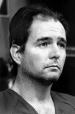
Florida judge denies appeal for former Shreveporter Rolling
October 12, 2006
From Staff and Wire ReportsA Florida judge refused to hear arguments about lethal injection from convicted serial killer Danny Rolling, a former Shreveporter and son of a retired local police lieutenant, and his denial of Rolling's appeal now puts the case before the Florida Supreme Court
October 12, 2006
From Staff and Wire ReportsA Florida judge refused to hear arguments about lethal injection from convicted serial killer Danny Rolling, a former Shreveporter and son of a retired local police lieutenant, and his denial of Rolling's appeal now puts the case before the Florida Supreme Court
Defense attorneys had filed claims involving public record access, cruel and unusual punishment, free speech and an American Bar Association report on the death penalty process in Florida, the Gainesville Sun reported for today’s edition.
Circuit Court Judge Stan Morris refused to grant a hearing for Rolling, 52, on Monday, saying his arguments about lethal injection were without merit.
Florida Gov. Jeb Bush signed the death warrant Sept. 22 for Rolling, convicted of the 1990 slayings of five college students in Gainesville, Fla., and the chief suspect in a gruesome 1989 triple slaying here. Now, unless Florida's highest court intervenes,
Rolling will die by lethal injection Oct. 25.
He pleaded guilty in 1994 to the college-city slayings of Sonja Larson, 18, of Deerfield Beach; Christina Powell, 17, of Jacksonville; Christa Hoyt, 19, of Archer; and Tracy Paules, 23, and Manuel Taboada, 23, both of Miami.
Three of the five victims were mutilated. One woman was decapitated, her head placed on a bookshelf, her torso slit from neck to waist. Three of the four women were raped. Several of the bodies were posed for shock value. A knife was used in all of the killings.Rolling’s attorney Baya Harrison said he planned to appeal Morris’ decision.
Arguments on the appeal are scheduled before the Florida Supreme Court Wednesday."We’re sorry we lost, but Judge Morris is the kind of person who sticks to the law and as he sees it, we’re just out of bullets," Harrison said Wednesday.
"We’re gonna keep fighting."
Rolling, the son of a former Shreveport police lieutenant, was and remains the chief suspect in the 1989 slayings of 24-year-old college student Julie Grissom, her father, Tom, 55, and her 8-year-old nephew, Sean, in the elder Grissom’s Southern Hills Beth Lane home.
Rolling was never tried for the slayings, but an arrest warrant from the Caddo Parish District
Attorney’s office has remained prepared since the early 1990s, requiring only a judge’s signature."Nothing has changed," Shreveport police Lt. Danny Fogger told The Times in 2000.
"We’ve long had enough evidence to arrest him."But the state of Florida made it clear Rolling would never be extradited to a state where he might be convicted and sentenced to a jail term. That could set up a separate legal battle over whether he could be forcibly returned to a state where he faced death.
In an interview with Florida’s WFLA-TV in the mid-1990s, Rolling admitted responsibility for the Grissom murders, but stopped just shy of confessing. He also said he killed a person for each year he served in prison; the total of the Shreveport and Gainesville murders is eight.Rolling's connection with the Florida slayings was revealed through the work of Shreveport police detectives, who notified
Florida investigators that Rolling, arrested in Florida for an unrelated armed robbery, was the suspect in the Grissom slayings. That prompted a check of his DNA against that found at the college slayings. There was a match.
Spurned by area judge, Rolling to appeal to state high court
http://www.gainesville.com/apps/pbcs.dll/article?AID=/20061012/LOCAL/210120352/1078/news
Spurned by area judge, Rolling to appeal to state high court
By LISE FISHER
Sun staff writer
October 12. 2006 6:01AM
Rolling will take appeal to state's high court after judge refuses itAn appeal over the death sentence of convicted serial killer Danny Rolling will be heading to the Florida Supreme Court after a local judge denied a request to hear arguments on the matter
On Monday, Circuit Judge Stan Morris refused to grant a hearing for Rolling, 52, over issues surrounding lethal injection, finding the claims without merit.
Morris' decision will be appealed, said Rolling's attorney Baya Harrison on Wednesday. Arguments on the appeal currently are scheduled before the Florida Supreme Court on Oct. 18.
Last month Gov. Jeb Bush signed a death warrant for Rolling. His execution has been scheduled for Oct. 25.Rolling pleaded guilty in 1994 to fatally stabbing five college students in their Gainesville homes at the start of the 1990 fall semester.
His victims were Christa Hoyt, 19, of Archer; Sonja Larson, 18, of Deerfield Beach; Tracy Paules, 23, of Miami; Christina Powell, 17, of Jacksonville; and Manuel Taboada, 23, of Miami.
Morris, the same judge who sentenced Rolling to death, denied defense attorney claims involving public record access, cruel and unusual punishment, free speech and an American Bar Association report on the death penalty process in Florida, the judge's court order stated.
Rolling had claimed he was denied public records, held by the Florida Medical Examiner's Office and the Department of Corrections, and needed to challenge the use of chemicals in lethal injections.
But Morris said Rolling had time to request the records before and couldn't "make a public records request to delay his execution."The judge also noted the Florida Supreme Court has determined lethal injection is not cruel and unusual punishment and that there was no evidence the chemicals used for the death sentence would be improperly administered.
One of the defense's four claims said Rolling would be denied his right to free speech if he was not properly anaesthetized and therefore couldn't communicate if he was experiencing pain.
Morris rejected a final claim that an American Bar Association report on the death penalty system in Florida is newly discovered evidence showing this is cruel and unusual punishment. The report is a compilation of previously gathered facts, inapplicable to this case or not within the scope of the court reviewing it, Morris wrote.
After Rolling's death warrant was signed, State Attorney Bill Cervone had said he did not believe there were additional "substantive issues" for the courts to consider in Rolling's case. However, he said, there likely would be last-minute attempts to delay an execution.If an appeal is denied by the Florida Supreme Court, the case would then be headed to the federal courts for final consideration.
Lise Fisher can be reached at (352) 374-5092 or fisherl@gvillesun.com.
Spurned by area judge, Rolling to appeal to state high court
By LISE FISHER
Sun staff writer
October 12. 2006 6:01AM
Rolling will take appeal to state's high court after judge refuses itAn appeal over the death sentence of convicted serial killer Danny Rolling will be heading to the Florida Supreme Court after a local judge denied a request to hear arguments on the matter
On Monday, Circuit Judge Stan Morris refused to grant a hearing for Rolling, 52, over issues surrounding lethal injection, finding the claims without merit.
Morris' decision will be appealed, said Rolling's attorney Baya Harrison on Wednesday. Arguments on the appeal currently are scheduled before the Florida Supreme Court on Oct. 18.
Last month Gov. Jeb Bush signed a death warrant for Rolling. His execution has been scheduled for Oct. 25.Rolling pleaded guilty in 1994 to fatally stabbing five college students in their Gainesville homes at the start of the 1990 fall semester.
His victims were Christa Hoyt, 19, of Archer; Sonja Larson, 18, of Deerfield Beach; Tracy Paules, 23, of Miami; Christina Powell, 17, of Jacksonville; and Manuel Taboada, 23, of Miami.
Morris, the same judge who sentenced Rolling to death, denied defense attorney claims involving public record access, cruel and unusual punishment, free speech and an American Bar Association report on the death penalty process in Florida, the judge's court order stated.
Rolling had claimed he was denied public records, held by the Florida Medical Examiner's Office and the Department of Corrections, and needed to challenge the use of chemicals in lethal injections.
But Morris said Rolling had time to request the records before and couldn't "make a public records request to delay his execution."The judge also noted the Florida Supreme Court has determined lethal injection is not cruel and unusual punishment and that there was no evidence the chemicals used for the death sentence would be improperly administered.
One of the defense's four claims said Rolling would be denied his right to free speech if he was not properly anaesthetized and therefore couldn't communicate if he was experiencing pain.
Morris rejected a final claim that an American Bar Association report on the death penalty system in Florida is newly discovered evidence showing this is cruel and unusual punishment. The report is a compilation of previously gathered facts, inapplicable to this case or not within the scope of the court reviewing it, Morris wrote.
After Rolling's death warrant was signed, State Attorney Bill Cervone had said he did not believe there were additional "substantive issues" for the courts to consider in Rolling's case. However, he said, there likely would be last-minute attempts to delay an execution.If an appeal is denied by the Florida Supreme Court, the case would then be headed to the federal courts for final consideration.
Lise Fisher can be reached at (352) 374-5092 or fisherl@gvillesun.com.
Reject Vengeance in Death Penalty Vote
Published on Tuesday, October 10, 2006
by the Madison Capital Times (Wisconsin)
Reject Vengeance in Death Penalty Vote
by John Nichols
When dozens of Amish men and women showed up on Saturday for the funeral of the Pennsylvania man who had killed five of the religious community's children in a school shooting rampage, news reporters who were unfamiliar with the Christian values of the Amish were dumbfounded.
For the Amish, however, it was essential that they join in the mourning of a human being who, though horrific in his actions, was still, to their view, one of God's children.
In contemporary America, where the biblical requirement to forgive has been all but lost in a rush to lay blame and to punish, the Amish way is, for most non-Amish, so archaic as to be incomprehensible.
But it was not always so.
When Americans took more seriously the teachings of the Nazarene, and the logical policies that should follow from them, the wisest of our forefathers and mothers rejected the path of vengeance in favor of more enlightened approaches to issues of crime and punishment. Wisconsin was in the forefront of that remarkable journey.
Five years after statehood, Wisconsin became one of the first jurisdictions on the planet to completely ban the practice of state-sanctioned murder. The movement to bar capital punishment brought together Christians, Jews and freethinkers, of which the state had many, who argued on both moral and practical grounds for the abolition of the most unforgiving of all punishments. State Rep. C. Latham Sholes, the Kenosha Republican who led the fight for abolition, summed up the sentiments of the time when he said that to allow the state to execute even the vilest of criminals would be to "disgrace the mercy-expecting citizens of the state of Wisconsin."
Now, 153 years after Sholes convinced the Legislature and Gov. Leonard Farwell to implement the ban, Wisconsin has barred capital punishment for longer than any other state or nation.
Most of the rest of the world has caught up with Wisconsin. Only a handful of the planet's most backward nations permit executions. Unfortunately, in the United States, self-serving politicians have used lies and fear-mongering to maintain support for capital punishment and in recent years to spread this darkest expression of the human weakness for vengeance.
On Nov. 7, at the behest of such politicians, Wisconsin voters will be asked to offer their opinion on an advisory referendum that asks whether the death penalty should be enacted in the state of Wisconsin for cases involving individuals convicted of murder.
When I vote "no" on that referendum, I will recall my ancestors who helped to forge this state's ban on capital punishment more than 150 years ago, I will respect the teachings of the Nazarene who was the most famous victim of the death penalty, and I will honor the Pennsylvania Amish for reminding us that it is still possible to act upon those teachings even in a country that has been dragged so very far from its best values and highest ideals.
John Nichols is associate editor of The Capital Times.
His family has resided in Wisconsin since 1823. E-mail: jnichols@madison.com
by the Madison Capital Times (Wisconsin)
Reject Vengeance in Death Penalty Vote
by John Nichols
When dozens of Amish men and women showed up on Saturday for the funeral of the Pennsylvania man who had killed five of the religious community's children in a school shooting rampage, news reporters who were unfamiliar with the Christian values of the Amish were dumbfounded.
For the Amish, however, it was essential that they join in the mourning of a human being who, though horrific in his actions, was still, to their view, one of God's children.
In contemporary America, where the biblical requirement to forgive has been all but lost in a rush to lay blame and to punish, the Amish way is, for most non-Amish, so archaic as to be incomprehensible.
But it was not always so.
When Americans took more seriously the teachings of the Nazarene, and the logical policies that should follow from them, the wisest of our forefathers and mothers rejected the path of vengeance in favor of more enlightened approaches to issues of crime and punishment. Wisconsin was in the forefront of that remarkable journey.
Five years after statehood, Wisconsin became one of the first jurisdictions on the planet to completely ban the practice of state-sanctioned murder. The movement to bar capital punishment brought together Christians, Jews and freethinkers, of which the state had many, who argued on both moral and practical grounds for the abolition of the most unforgiving of all punishments. State Rep. C. Latham Sholes, the Kenosha Republican who led the fight for abolition, summed up the sentiments of the time when he said that to allow the state to execute even the vilest of criminals would be to "disgrace the mercy-expecting citizens of the state of Wisconsin."
Now, 153 years after Sholes convinced the Legislature and Gov. Leonard Farwell to implement the ban, Wisconsin has barred capital punishment for longer than any other state or nation.
Most of the rest of the world has caught up with Wisconsin. Only a handful of the planet's most backward nations permit executions. Unfortunately, in the United States, self-serving politicians have used lies and fear-mongering to maintain support for capital punishment and in recent years to spread this darkest expression of the human weakness for vengeance.
On Nov. 7, at the behest of such politicians, Wisconsin voters will be asked to offer their opinion on an advisory referendum that asks whether the death penalty should be enacted in the state of Wisconsin for cases involving individuals convicted of murder.
When I vote "no" on that referendum, I will recall my ancestors who helped to forge this state's ban on capital punishment more than 150 years ago, I will respect the teachings of the Nazarene who was the most famous victim of the death penalty, and I will honor the Pennsylvania Amish for reminding us that it is still possible to act upon those teachings even in a country that has been dragged so very far from its best values and highest ideals.
John Nichols is associate editor of The Capital Times.
His family has resided in Wisconsin since 1823. E-mail: jnichols@madison.com
Subscribe to:
Posts (Atom)